

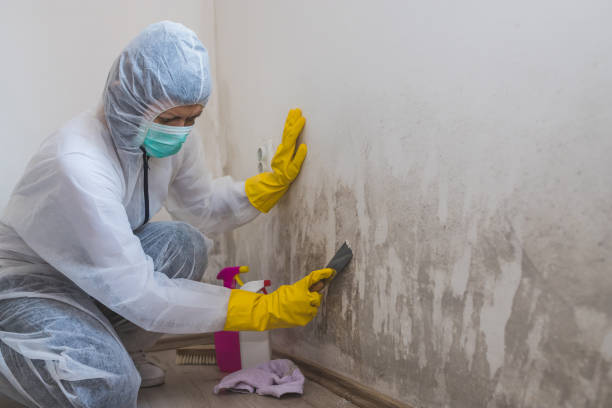
When tackling mold removal in your home, ensuring safety should always be your top priority. Mold spores can pose health risks when inhaled or when they come into contact with the skin. Proper personal protection and equipment are essential to minimize exposure and protect yourself throughout the process. Below are key guidelines and a list of essential gear for safe mold removal.
The Importance of Personal Protection During a Mold Inspection Florida
Mold spores are microscopic particles that can become airborne during cleaning or removal. Exposure to these spores may lead to:
– Respiratory issues such as coughing, wheezing, or shortness of breath
– Allergic reactions including skin irritation, watery eyes, and nasal congestion
– More severe complications for individuals with asthma or weakened immune systems
Proper personal protection limits direct contact with mold and prevents the inhalation of harmful particles.
Essential Gear for Mold Removal
| Item | Purpose |
| N95 Respirator Mask | Filters out fine particles, including mold spores, from the air you breathe |
| Protective Eyewear | Shields your eyes from airborne spores and cleaning chemicals |
| Rubber Gloves | Protects your hands from mold contamination and harsh cleaning agents |
| Long-Sleeved Clothing | Minimizes skin exposure to mold |
| Disposable Coveralls (Optional) | Provides full-body protection; prevents contamination of clothes |
| Waterproof Boots | Shields feet from wet areas often associated with mold growth |
Step-by-Step Personal Protection Guidelines
- Prepare Your Protective Equipment: Before entering the affected area, ensure all safety gear is readily available. Check that the N95 mask fits snugly over your nose and mouth without leaks. If using coveralls, make sure they fully cover your body.
- Secure Ventilation: While protecting yourself is critical, it’s also important to reduce airborne spore levels in the space by improving ventilation (e.g., using HEPA air filters). Avoid using fans as they may spread spores further if improperly positioned.
- Seal Off Contaminated Areas: Before starting work in heavy contamination zones, isolate them by sealing doors or vents with plastic sheeting to prevent cross-contamination.
- Use Disposable Supplies When Possible: For materials like gloves or coveralls, consider disposable options so contaminated items do not spread spores elsewhere.
- Immediately Clean Up After Removal: Once you complete the task, carefully remove protective gear without shaking it to avoid releasing trapped spores into the air. Discard disposable items in sealed plastic bags before washing reusable gear separately from other laundry.
- Shower After Work: Mold particles can linger on skin or hair even after wearing protective equipment. Take a thorough shower right after finishing work in contaminated areas.
Tips for Handling Protective Gear Effectively
- Regularly inspect reusable gear (e.g., masks) for signs of damage or wear before each use.
- Never reuse disposable protective items such as gloves after handling mold-contaminated surfaces.
- Wash all hands thoroughly with soap after removing gloves or other equipment.
Safety should never be overlooked during any part of your mold removal process—investing time in proper preparation will help ensure both short-term effectiveness and long-term health benefits for everyone involved in maintaining a clean environment at home.
Effective Mold Remediation Florida: Why Safety Masks Are Essential During Removal
When dealing with mold removal, protecting yourself is a critical aspect that should never be overlooked. Mold spores, when disturbed, can become airborne and pose health risks if inhaled. This is why wearing a proper mold safety mask is essential for safeguarding your respiratory system during the removal process.
Why Mold Safety Masks Are Necessary
- Prevention of Inhalation: Mold spores are microscopic and easily enter the respiratory system when airborne.
- Protection from Mycotoxins: Certain types of molds produce toxins that can cause serious health problems if inhaled or ingested.
- Reduction of Allergic Reactions: A proper mask minimizes exposure to allergens that may trigger sneezing, coughing, or other allergic symptoms.
Types of Masks Suitable for Mold Removal
| Mask Type | Level of Protection | Recommended Use |
| N95 Respirator Mask | Blocks 95% of airborne particles | Suitable for small-scale mold removal |
| N99/N100 Respirator Mask | Filters 99-100% of airborne particles | Ideal for high-risk situations |
| Full-Face Respirators | Covers eyes and facial skin as well as airways | Necessary for extensive infestations |
| Surgical Masks | Limited protection against larger droplets only | Not recommended for mold removal |
When selecting a safety mask, ensure it has been certified by appropriate authorities such as NIOSH (National Institute for Occupational Safety and Health).
Best Practices When Using Mold Safety Masks
- Proper Fit: Ensure the mask fits snugly around your nose and mouth without gaps.
- Check for Certification: Use only certified respirators designed specifically to filter fine particles like mold spores.
- Change Filters Regularly (if applicable): For reusable respirators with replaceable filters, replace filters based on usage or manufacturer recommendations.
- Single Use vs Reusable: Dispose of single-use masks after each session and clean reusable respirators thoroughly before reusing them.
Additional Protective Measures
- Gloves to prevent skin contact with mold or cleaning agents.
- Protective goggles to shield eyes from irritating spores or chemicals.
- Coveralls or long-sleeved clothing to avoid skin exposure.
Addressing mold safely involves strategic preparation alongside using high-quality equipment like respirator masks. By adhering to these guidelines and investing in proper gear, you can significantly reduce health risks associated with removing mold from your home or workplace.
Top Tips for Finding the Best Mold Removal Services Florida Has to Offer
Removing mold effectively requires a combination of proper techniques, the right tools, and consistent attention to detail. Below are practical steps and best practices that can help you eliminate mold from your home safely and efficiently.
Step 1: Identify the Source of Moisture
Mold thrives in damp environments, so addressing the source of moisture is critical. Without fixing the underlying moisture problem, mold will likely return even after removal. Common sources include:
– Leaky pipes or faucets
– Roof leaks
– Condensation on windows or walls
– Poor ventilation in areas such as bathrooms or kitchens
Inspect these areas thoroughly and repair any issues before beginning mold removal.
Step 2: Contain the Affected Area
To prevent mold spores from spreading to other parts of your home during removal, isolate the contaminated area. This can be done by:
– Sealing off doors with plastic sheeting
– Turning off HVAC systems to reduce air circulation
– Using air purifiers equipped with HEPA filters to trap airborne spores
Containment is particularly important when dealing with larger infestations.
Step 3: Choose the Right Cleaning Solution
| Surface Type | Recommended Cleaning Solution |
| Hard, non-porous | Bleach solution (1 cup bleach to 1 gallon water) |
| Porous materials | Vinegar or hydrogen peroxide (undiluted) |
| Wood | Mild detergent mixed with water |
Note: Avoid mixing cleaning agents like bleach and ammonia as this creates toxic fumes.
Step 4: Use Proper Cleaning Techniques
Using correct methods ensures effective removal while minimizing damage to surfaces. Follow these best practices:
– Scrub gently: Use a scrub brush or sponge on hard surfaces to loosen mold colonies. Avoid overly aggressive scrubbing on delicate materials like wood. – Blot porous surfaces: For fabrics or drywall, blotting instead of scrubbing helps avoid spreading spores deeper into the material. – Dispose properly: Place contaminated rags, sponges, and other disposable items in sealed plastic bags for safe disposal.
Step 5: Dry Thoroughly After Cleanup
After cleaning an area affected by mold, it’s essential to dry it completely. Mold can begin regrowing within 24–48 hours if moisture persists. To expedite drying:
– Use fans or dehumidifiers in larger spaces
– Open windows for improved air circulation if weather permits
Ensure all cleaned items—such as furniture and carpets—are also dried thoroughly before returning them to their original location.
Step 6: Evaluate Materials for Replacement
Some materials may be too damaged by mold growth to be salvaged safely. Items typically requiring replacement include: – Water-damaged drywall – Carpets with extensive contamination – Insulation that has been heavily infested
Removing irreparable materials reduces the risk of future infestations.
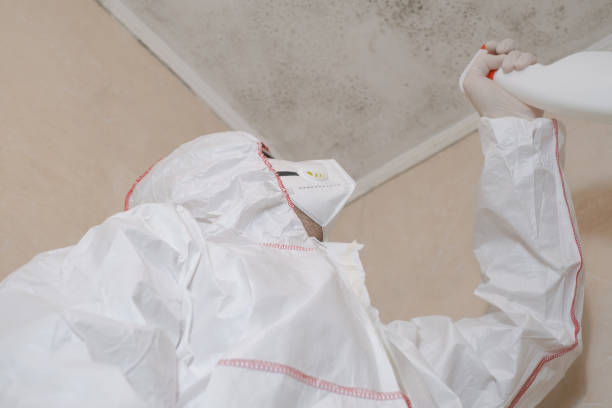
Best Practices for Ongoing Prevention
Once you’ve successfully removed visible mold, keeping it at bay requires regular maintenance: 1. Maintain indoor humidity levels at around 30–50%. Use a hygrometer to monitor humidity levels accurately. 2. Improve ventilation by using exhaust fans in high-moisture areas like bathrooms. 3. Inspect plumbing regularly for leaks or signs of water damage. 4. Clean gutters frequently to avoid water buildup near your home’s foundation. 5. Store items like clothes and books in dry locations away from walls prone to condensation.
By following these techniques and preventive measures consistently, you can create a healthier environment free from harmful mold growth while safeguarding your property over time.
Essential Tips for Choosing a Mold Removal Company Florida Homeowners Can Trust
Mold removal is a critical process that requires careful attention to detail. Improper mold removal can lead to further contamination, health risks, and recurring mold growth. To ensure safety and effectiveness, it is important to understand the key elements involved in addressing a mold problem. Below are essential insights for safely and effectively removing mold from your home.
1. Assessing the Scope of Mold Contamination
Before jumping into mold removal, it’s vital to assess the extent of the contamination. This helps determine whether you can handle the problem yourself or if professional remediation is necessary.
- Small Areas (Less than 10 square feet): Typically safe for homeowners to handle with proper precautions.
- Medium Areas (10–30 square feet): DIY removal may be possible but requires advanced preparation.
- Large Areas (More than 30 square feet): Professional intervention is strongly recommended to avoid improper handling.
A thorough inspection should also identify hidden mold behind walls, under carpets, or inside HVAC systems.
2. Essential Safety Measures
- Wear appropriate personal protective equipment (PPE) such as gloves, goggles, and respirators rated for fine particles (e.g., N95 masks).
- Ensure proper ventilation by opening windows or using air filtration systems with HEPA filters.
- Seal off contaminated areas using plastic sheeting to prevent spores from spreading.
Remember: Mold spores are airborne and can travel easily if disturbed during cleaning.
3. Selecting Effective Cleaning Agents
| Surface Type | Recommended Cleaning Method | Notes |
| Hard Surfaces | Scrub with water and detergent | Avoid harsh chemicals like bleach on porous surfaces. |
| Porous Materials | Use antimicrobial treatments or replace material | Items like drywall or fabrics may need disposal if heavily contaminated. |
| Non-Porous Surfaces | Clean with diluted bleach solution or vinegar | Rinse thoroughly after use. |
Use EPA-approved antifungal products whenever possible for added effectiveness in killing spores.
4. Proper Disposal of Contaminated Materials
- Place debris in heavy-duty plastic bags immediately after removal.
- Seal bags tightly before discarding them according to local waste regulations.
- Clean tools used during disposal with disinfectant before reuse.
Avoid leaving contaminated items exposed indoors as they may release additional spores into your living environment.
5. Preventing Future Mold Growth
- Fix leaks in plumbing, roofs, windows, or basements promptly.
- Use dehumidifiers or air conditioners to maintain indoor humidity levels below 60%.
- Ensure proper ventilation in bathrooms, kitchens, and laundry rooms by installing exhaust fans.
Regular inspections of damp-prone areas help catch early signs of potential problems before they worsen.
Understanding these steps ensures not only effective cleanup but also protects your household from health risks associated with improper handling of molds such as asthma triggers or toxic black molds like Stachybotrys chartarum. When in doubt about tackling larger infestations safely on your own, consult an experienced professional specializing in mold remediation services for assistance that complies with industry standards like those set forth by the Environmental Protection Agency (EPA).
Effective Water Damage Restoration Florida Tips to Prevent and Address Mold Growth in Your Home
Preventing and addressing mold growth is essential for maintaining a safe and healthy living environment. Mold thrives in damp, humid conditions, so understanding how to limit these conditions and respond effectively is key. Below is a comprehensive guide covering both preventive measures and steps to address mold if it appears in your home.
Preventing Mold Growth
- Keep indoor humidity below 50%. Use a dehumidifier if necessary, especially in humid climates or during summer months.
- Invest in a hygrometer to monitor humidity levels accurately.
- Use exhaust fans in kitchens, bathrooms, and laundry rooms to vent moisture outside your home.
- Open windows regularly to improve airflow, especially after activities that generate moisture such as showering or cooking.
- Inspect pipes, roofs, windows, and walls for leaks on a regular basis. Even small leaks can encourage mold growth over time.
- Replace damaged seals around doors or windows where water infiltration may occur.
- Clean up spills immediately to prevent water from seeping into porous materials like carpets or drywall.
- After flooding or plumbing incidents, dry affected areas within 24-48 hours using fans or specialized drying equipment.
- When renovating or building, opt for materials designed to resist mold growth such as mold-resistant drywall and paints.
- Install tiles instead of carpets in moisture-prone areas like bathrooms or basements.
- Schedule routine inspections of HVAC systems and ensure air conditioning units are free from excess moisture buildup.
- Keep gutters clean and direct water flow away from the foundation of your home.
Addressing Mold Growth
- For small areas (less than 10 square feet), homeowners can often handle removal themselves using appropriate safety measures.
- For large infestations or mold caused by flooding with contaminated water (e.g., sewage), consult certified professionals.
- Wear Protective Gear
Always wear protective equipment during cleanup:- N95 respirator mask
- Gloves (non-porous material like rubber)
- Eye protection (goggles)
- Contain the Area
Seal off affected spaces with plastic sheeting to prevent spores from spreading while cleaning. - Remove Affected Materials
Materials that cannot be salvaged should be removed carefully: | Material | Action Required | |————————|———————————————–| | Drywall with heavy damage | Cut out contaminated sections entirely | | Carpet | Dispose if it stays damp longer than 24 hours | | Upholstery | Discard if visibly molded | - Clean Surfaces Thoroughly Use specific cleaning solutions depending on surface types:
- Hard Surfaces – Scrub with soap/detergent followed by disinfectants like bleach diluted in water (1 cup bleach per gallon).
- Porous Surfaces – If possible replace them; otherwise treat lightly stained surfaces with specialty products designed for porous materials.
- Comprehensive Guide to Mold Removal Florida: How to Eliminate Mold Effectively
- Comprehensive Guide to Mold Removal Florida: Steps and Remediation Tips
- Essential Gear and Guidelines for Safe Mold Removal Florida
- Effective Tips and Techniques for Mold Remediation Florida: Carpet and Furniture Cleaning Guide
- The 4 Essential Steps in Mold Removal Services Florida and Water Damage Restoration
- Your Comprehensive Guide to Mold Removal Services Florida: Three Basic Steps to Remediation