


Signs of Mold in Carpets and Furniture
Before taking action, it’s important to recognize the signs of mold growth. Look out for:
– Musty Odors: A damp, unpleasant smell often signals mold presence.
– Visible Stains or Discoloration: Black, green, or white patches may appear on surfaces.
– Allergy Symptoms: Persistent sneezing, coughing, or skin irritation could indicate hidden mold.
Cleaning Mold from Carpets
- Prevent the spread of spores by removing nearby items and sealing off the affected area with plastic sheeting.
- Use a vacuum equipped with a HEPA filter to remove loose debris and spores from both sides of the carpet.
- Create a mixture using one cup of white vinegar mixed with two cups of warm water or purchase a commercial anti-fungal cleaner specifically designed for carpets.
- Use a soft-bristled brush to scrub the solution into the fibers without damaging them.
- Place fans near the cleaned area or use a dehumidifier to ensure thorough drying.
For severe infestations that penetrate deeply into carpet padding, professional cleaning may be necessary and replacement might be recommended if damage is extensive.
Cleaning Mold from Upholstered Furniture
- Check not only surface fabric but also underneath cushions and along seams where moisture can collect unseen.
- Before using any solution across an entire piece of furniture, test it on an inconspicuous spot to ensure no discoloration occurs.
- Mild detergent solutions (a mix of soap and warm water) are often sufficient for light cases; stronger cleaning agents like hydrogen peroxide (3%) can be used sparingly for stubborn stains.
- Use clean microfiber cloths dampened with clean water after scrubbing away visible mold patches until residue clears away fully
5..Quick Dry Always essential post cleanup drying
Effective Mold Removal Florida Solutions to Eliminate Growth
Mold can be a persistent and damaging problem in homes, requiring prompt and effective cleaning solutions to prevent further growth and minimize health risks. Identifying the right cleaning products and techniques is critical for thorough mold removal. This guide outlines essential mold cleaning solutions that work effectively across various surfaces in your home.
Effective Mold Removal Services Florida Residents Can Rely On
- Pros: Natural, non-toxic, safe for most surfaces.
- How to Use: Undiluted white vinegar can be sprayed directly onto moldy areas. Let it sit for an hour before scrubbing with a brush or wiping with a damp cloth.
- Best For: Non-porous surfaces like tiles, glass, or countertops.
- Pros: Highly effective at killing mold spores on non-porous surfaces.
- How to Use: Mix one cup of bleach per gallon of water. Apply the solution with a sponge or spray bottle, let it sit for ten minutes, then scrub and rinse thoroughly.
- Best For: Bathrooms, kitchens, and other hard surfaces.
- Note: Avoid using bleach on porous materials as it may not penetrate deep enough to remove hidden spores.
- Pros: Antibacterial and antifungal properties without releasing harmful fumes.
- How to Use: Spray directly onto affected spots and allow it to bubble for at least ten minutes before scrubbing.
- Best For: Porous materials like wood or fabrics (test small areas first).
- Pros: Gentle yet effective; deodorizes while removing surface-level mold.
- How to Use: Mix one teaspoon of baking soda with two cups of water in a spray bottle. Spray generously on the surface, scrub lightly, then rinse away residue.
- Best For: Delicate materials such as walls or furniture upholstery.
Essential Tips for Choosing the Best Mold Removal Company Florida
The tools you use are just as important as the cleaning solutions themselves. Using proper equipment ensures safety while achieving optimal results.
| Tool | Purpose | Notes |
| Scrub Brushes | Removes visible mold from affected areas | Choose medium-stiff bristles |
| Microfiber Cloths | Wipes away residue without scratching surfaces | Wash after each use |
| Spray Bottles | Applies cleaning solutions evenly | Use separate bottles per solution |
| Gloves | Protects hands from harsh chemicals | Opt for rubber or nitrile gloves |
| Respirator Masks | Prevents inhalation of airborne spores | Recommended during extensive removal tasks |
Effective Water Damage Restoration Florida: Tips for Safe Mold Cleaning Practices
- Wear protective gear such as gloves, goggles, and respirator masks during cleanup.
- Ensure adequate ventilation by opening windows or using fans to circulate fresh air.
- Never mix cleaning agents (e.g., bleach with ammonia) as this can release toxic gases.
- Test all cleaning solutions on a small area first to confirm they won’t damage your surface material.
When Should You Seek Professional Mold Inspection Florida Services
- The affected area spans more than ten square feet.
- Mold is growing within HVAC systems or behind walls where access is limited.
- There’s persistent musty odor despite repeated cleanups.
By leveraging proven cleaning methods alongside proper tools and prioritizing safety protocols throughout the process, you can effectively combat household mold while maintaining a healthier indoor environment.
Step-by-Step Techniques for Cleaning Mold from Various Surfaces in Your Home
Mold can grow on a variety of surfaces in your home, each requiring specific cleaning methods to ensure thorough removal and prevent regrowth. Below is a step-by-step guide to effectively clean mold from common household surfaces such as walls, wood, tiles, and fabric.
Cleaning Mold from Walls
- For painted walls: Use mild cleaning solutions to avoid damage to the paint.
- For drywall: If mold has penetrated deeply, replacement may be necessary since drywall is porous.
- Tools: Soft-bristled brush, microfiber cloths, spray bottle.
- Cleaning solution: Mix 1 part white vinegar with 1 part water (optional: add a few drops of tea tree oil for antifungal properties).
- Spray the vinegar solution on the affected area and let it sit for 10–15 minutes.
- Gently scrub with the soft-bristled brush.
- Wipe clean with a damp microfiber cloth.
- Prevent Regrowth
Allow proper ventilation in the room by opening windows or using dehumidifiers.
Removing Mold from Wood Surfaces
Wood is porous and can absorb moisture, making it susceptible to mold if humidity levels are high.
- Step 1: Dust off loose spores using a vacuum cleaner equipped with a HEPA filter to prevent spreading particles in the air.
- Step 2: Mix mild dish soap with warm water or use a specialized wood-cleaning product.
- Step 3: Dip a soft cloth into the solution and gently wipe the moldy surface. Avoid soaking wood as excess moisture can cause further damage.
- Step 4: After cleaning, ensure thorough drying using fans or natural airflow.
Tackling Mold on Tile Grout and Bathroom Surfaces
| Surface | Cleaning Material | Technique |
| Tile grout | Baking soda paste + hydrogen peroxide | Apply paste; scrub grout lines with an old toothbrush; rinse thoroughly. |
| Shower tiles | Vinegar-water solution | Spray generously; wipe down after letting it sit for at least 10 minutes. |
Use fans or open windows during cleaning to minimize humidity levels.
Handling Mold on Fabric and Upholstery
Fabric items like curtains or upholstered furniture can harbor mold if exposed to moisture over time.
- For Machine-Washable Fabrics:
Pre-treat stains with white vinegar or baking soda paste before washing them in hot water (if safe for fabric). Add half a cup of borax for deep cleaning. - For Upholstery:
Spot-clean affected areas by spraying alcohol diluted with water at a ratio of 3:1. Allow drying completely under sunlight if possible.
Key Tips for All Surfaces
- Always wear protective gear such as gloves, goggles, and masks while handling mold.
- Avoid mixing bleach with other cleaners like ammonia as this creates toxic fumes.
- Regularly inspect your home’s ventilation system and control humidity levels below 50%. Using dehumidifiers can help maintain this balance effectively.
By following these tailored techniques for each surface type in your home, you’ll not only eliminate existing mold but also reduce the likelihood of recurrence through proper maintenance practices.
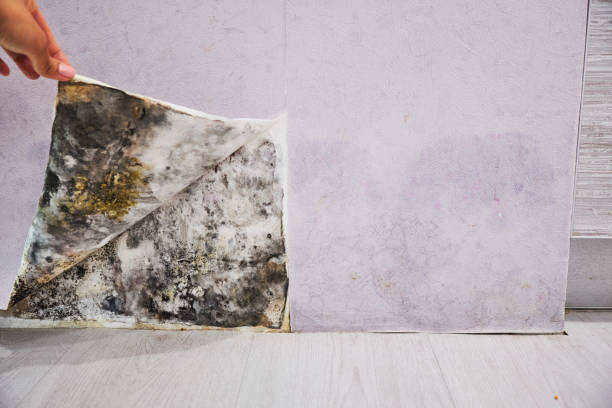
Step-by-Step Techniques for Cleaning Mold from Various Surfaces in Your Home
Mold can thrive on a variety of surfaces within your home, including walls, ceilings, carpets, furniture, and even personal items. To effectively address mold contamination, it’s essential to understand the proper cleaning methods for different materials. Below is a step-by-step breakdown of techniques to safely clean mold from various surfaces.
Hard Surfaces (Walls, Tiles, Countertops)
- Gloves and goggles
- A scrub brush or sponge
- Warm water
- Soap or dish detergent
- A commercial mold cleaner or white vinegar
- Wear protective gloves and goggles to minimize exposure risks.
- Mix warm water with soap or detergent in a bucket.
- Use a brush or sponge to scrub the affected area thoroughly.
- For stubborn mold, apply white vinegar directly onto the surface and leave it for one hour before scrubbing again.
- Rinse with clean water and dry the area completely.
Porous Surfaces (Drywall, Carpets)
- If the growth is minor (e.g., small spots), wipe the surface with a mixture of water and mild detergent. Avoid over-saturating as moisture may worsen the problem.
- For extensive contamination, it may be necessary to cut out and replace sections of drywall as these areas are often impossible to fully sanitize.
- Carpets:
To clean mold from carpets: - Vacuum using a HEPA-filter vacuum cleaner to remove loose spores.
- Use carpet shampoo combined with an antifungal solution designed for fabric use.
- Allow thorough drying using fans or dehumidifiers since damp carpets encourage regrowth.
Soft Fabrics and Upholstery
- Machine-Washable Fabrics: Wash items in hot water with detergent and add one cup of white vinegar during the rinse cycle for added fungal control. Dry thoroughly in direct sunlight when possible.
- Vacuum lightly using an attachment designed for upholstery cleaning.
- Spot treat affected areas with a mixture of warm water and rubbing alcohol (3 parts water to 1 part alcohol).
- Allow adequate airflow during drying by placing furniture near open windows or fans.
Wood Surfaces (Furniture & Flooring)
- Dust off loose particles using a microfiber cloth.
- Apply diluted dish soap mixed with warm water directly onto affected areas using another cloth or soft brush.
- Wipe down thoroughly without soaking wood excessively as this may cause warping.
- Consider sanding lightly if discoloration persists after cleaning.
| Surface Type | Recommended Cleaner | Key Tips |
| Hard Surfaces | Soap + Vinegar/Commercial Cleaner | Scrub gently; let vinegar sit before rinsing |
| Porous Materials | Antifungal Carpet Shampoo | Vacuum first; ensure complete drying |
| Fabrics/Upholstery | Vinegar + Water/Alcohol Solution | Spot-clean carefully; increase airflow |
| Wooden Furniture | Dish Soap + Water | Avoid excess moisture; sand if discoloration |
Always ensure proper ventilation while cleaning any surface by opening windows or running exhaust fans where possible. This prevents excessive exposure to fumes from cleaning agents while also reducing humidity levels that encourage future mold growth.
Understanding the Health Risks of Mold Exposure and the Importance of Timely Removal
Mold exposure in your home or workplace is more than just a nuisance; it can pose significant health risks to you, your family, or employees. While mold is naturally present in outdoor environments, its presence indoors—especially in areas with high moisture levels—can lead to a range of physical symptoms and long-term health effects if not addressed promptly.
Common Health Risks Associated with Mold Exposure
- Coughing, wheezing, and difficulty breathing.
- Aggravation of asthma symptoms for individuals with pre-existing conditions.
- Increased risk of respiratory infections over time.
- Sneezing, runny nose, and nasal congestion.
- Red or itchy eyes and skin irritation.
- Allergic fungal sinusitis in severe cases.
- Prolonged exposure may lead to fatigue and headaches.
- Mycotoxin-producing molds (like Stachybotrys chartarum) can potentially contribute to neurological issues when exposure persists over time.
Populations at Higher Risk
| Population | Reason for Increased Risk |
| Infants & Children | Developing immune systems; higher sensitivity |
| Elderly Individuals | Weakened immunity due to age |
| People with Asthma | Pre-existing respiratory conditions worsen |
| Immunocompromised | Limited ability to fight off infections |
Timely identification and removal are essential for protecting these vulnerable groups from further harm.
Why Timely Mold Removal Matters
Addressing mold problems quickly reduces both health threats and property damage. Mold thrives in moist environments (such as leaks or areas prone to condensation), spreading rapidly across porous surfaces like drywall, carpets, and furniture if left untreated.
- Prevents Structural Damage: Mold can weaken walls, ceilings, and flooring materials by breaking them down over time.
- Halts Spore Spread: Mold releases spores that can contaminate other parts of your home or building.
- Cost Savings: Early intervention minimizes costs associated with professional remediation services.
- Protects Indoor Air Quality: Reduces allergens and irritants that could otherwise linger in your living space.
Steps to Minimize Health Risks Due to Mold
- Fix leaks immediately (roofs, windows, plumbing).
- Utilize dehumidifiers to maintain indoor humidity below 50%.
- Regularly clean areas prone to moisture buildup (bathrooms, basements).
- Discard water-damaged materials that cannot be thoroughly dried within 24–48 hours.
- Conduct routine inspections for visible signs of mold growth in hard-to-reach areas.
By understanding these risks and taking swift action when mold appears, you create a safer environment for everyone who occupies your home or workspace.
How to Choose the Best Products and Tools for Safe and Efficient Mold Removal
When dealing with mold contamination, selecting the right products and tools is vital for effective removal while ensuring safety during the process. The market offers a variety of options, but understanding which products and tools are best suited for specific scenarios is key to achieving optimal results.
Factors to Consider When Choosing Mold Removal Products
- Porous surfaces (e.g., drywall, upholstery) often require specialized cleaners designed to penetrate deeper layers.
- Non-porous surfaces (e.g., tiles, glass) can be treated with general-purpose mold removal sprays or disinfectants.
- Look for products containing sodium hypochlorite, hydrogen peroxide, or ammonia for non-porous materials.
- For environmentally friendly options, consider natural enzyme-based cleaners or solutions with tea tree oil or vinegar.
- Choose EPA-registered mold-killing solutions that are certified safe for indoor use.
- Avoid using harsh chemicals in areas with poor ventilation unless personal protective equipment (PPE) is worn.
- Light surface mold can often be removed using natural cleaning solutions like white vinegar or baking soda mixed with water.
- For more extensive infestations, industrial-grade mold remediation products may be required.
Essential Tools for Mold Removal
| Tool | Purpose | Recommendations |
| N95 Respirator Mask | Protects against mold spores and airborne particles during cleanup | Choose masks with adjustable straps |
| Safety Goggles | Shields eyes from irritants or chemical splashes | ANSI-approved goggles recommended |
| Gloves | Prevent skin contact with cleaning agents and contaminated surfaces | Use non-porous materials like nitrile |
| Scrub Brushes | Removes visible mold from durable surfaces | Opt for medium-bristle brushes |
| HEPA Vacuum Cleaner | Captures fine particles like spores without releasing them back into the air | Ensure it meets HEPA filtration standards |
| Spray Bottles | Useful for applying cleaning solutions evenly over affected areas | BPA-free options preferred |
Tips for Maximizing Efficiency During Mold Removal
- Always test cleaning products on a small section of the surface before applying them over larger areas to avoid damage.
- Work in well-ventilated spaces when using chemical-based cleaners to minimize exposure.
- Follow manufacturer instructions carefully when diluting concentrated formulas.
- Keep affected areas dry after cleaning to prevent future growth—consider dehumidifiers as an additional precaution.
Why Quality Matters in Product Selection
Choosing high-quality products and tools not only improves the effectiveness of mold removal but also minimizes health risks associated with improper handling of contaminated materials or exposure to harsh chemicals. Investing time upfront in selecting appropriate supplies can save significant effort and resources later.
By following these guidelines, you can ensure a safer environment while addressing existing mold issues efficiently and effectively.
- Comprehensive Guide to Mold Removal Florida: How to Eliminate Mold Effectively
- Comprehensive Guide to Mold Removal Florida: Steps and Remediation Tips
- Essential Gear and Guidelines for Safe Mold Removal Florida
- Effective Tips and Techniques for Mold Remediation Florida: Carpet and Furniture Cleaning Guide
- The 4 Essential Steps in Mold Removal Services Florida and Water Damage Restoration
- Your Comprehensive Guide to Mold Removal Services Florida: Three Basic Steps to Remediation