

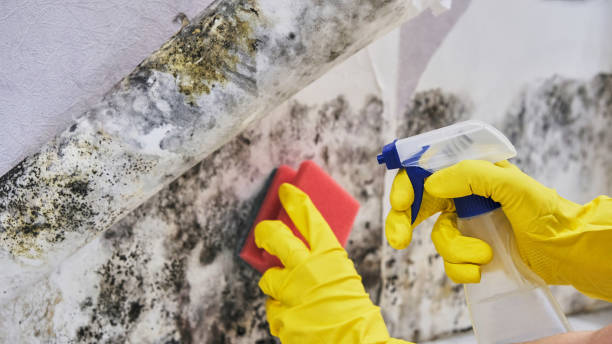
Mold removal and remediation is a step-by-step process designed to eliminate mold growth, address its root causes, and prevent future infestations. Below is a comprehensive guide outlining the critical steps involved in effectively managing mold issues in residential and commercial properties.
Step 1: Assess the Situation
The first step in mold remediation involves thoroughly assessing the affected area. This includes:
– Identifying visible signs of mold growth such as discoloration or musty odors.
– Checking for hidden mold behind walls, under carpets, or in HVAC systems.
– Determining the extent of damage and potential moisture sources fueling mold development.
Tools Commonly Used for Assessment:
| Tool | Purpose |
|———————–|——————————————–|
| Moisture Meters | Detects moisture levels within materials |
| Thermal Imaging Cameras | Identifies hidden moisture pockets |
| Air Sampling Devices | Measures airborne mold spore concentration |
Step 2: Containment of Mold Growth
To prevent spores from spreading to unaffected areas, containment measures are essential. Steps include:
– Sealing off contaminated spaces with plastic sheeting and air-tight barriers.
– Using negative air pressure machines equipped with HEPA filters to remove airborne contaminants.
This isolates the affected area and ensures minimal disruption to surrounding spaces.
Step 3: Remove Contaminated Materials
Once containment is established, materials damaged beyond repair must be removed safely. Examples include:
– Porous items such as drywall, insulation, or carpeting that cannot be effectively cleaned.
– Furniture or belongings that are heavily infested with mold spores.
Tip: Use proper protective gear (respirators, gloves, goggles) during this step to avoid exposure to harmful spores.
Step 4: Cleaning and Disinfection
All remaining surfaces must be thoroughly cleaned using specialized methods designed for effective mold removal. This typically involves:
1. Vacuuming with HEPA filters to trap microscopic particles. 2. Scrubbing non-porous surfaces with antimicrobial cleaning solutions. 3. Wiping down HVAC ducts if contamination extends into ventilation systems.
For persistent stains or hard-to-clean areas like grout lines or wood beams, professional-grade treatments may be required.
Step 5: Address Underlying Issues
Mold thrives in moist environments; therefore, resolving water intrusion problems is vital for long-term success. Common actions include: – Fixing leaks from roofs, plumbing systems, or basements. – Repairing damaged seals around windows and doors. – Improving drainage systems around property foundations.
Failure to address these conditions can lead to recurring infestations even after remediation efforts.
Step 6: Drying and Dehumidification
Post-removal drying ensures no residual moisture remains within walls or flooring materials where new mold colonies can form over time: – High-performance dehumidifiers are used for humidity regulation. – Industrial fans speed up drying on surfaces exposed during cleanup efforts.
Maintaining interior relative humidity levels below 50% is key for preventing future growth cycles.
Step 7: Verification of Success
The final phase involves verifying that all traces of contamination have been eliminated: 1. Conduct post-remediation testing using air samples or surface swabs. 2. Monitor indoor humidity regularly through sensors installed near previously affected zones.
By following these steps methodically while leveraging professional expertise when necessary ensures effective resolution without compromising indoor health safety standards long-term benefits
Key Reasons to Consider Mold Remediation Florida and How Inspections Are Conducted
Testing for mold is a crucial step in maintaining a healthy indoor environment. Mold spores, while naturally present in the air, can become a serious problem when they grow indoors and proliferate in damp or humid spaces. Testing helps identify the presence of mold, assess the extent of contamination, and pinpoint its source. Here’s why testing is important and how inspections are typically carried out.
Why Testing for Mold is Essential
- Health Concerns:
Mold exposure can lead to various health issues, especially for individuals with allergies, asthma, or compromised immune systems. Symptoms may include respiratory problems, skin irritation, and sinus congestion. - Preventing Structural Damage:
Prolonged mold growth can weaken building materials like drywall, wood, and insulation. Early detection through testing can prevent costly repairs. - Identifying Hidden Mold:
Sometimes mold is not visible but emits musty odors or causes unexplained health symptoms. Testing ensures that hidden mold colonies behind walls or under flooring are identified. - Real Estate Transactions:
Buyers often require mold inspections before purchasing a property to ensure no hidden issues affect the value of the home.
Tools Used in Mold Inspections
- Moisture Meters: Used to measure moisture levels in walls, ceilings, and floors where mold might be growing.
- Infrared Cameras: Detect temperature variations that can indicate hidden water damage.
- Air Sampling Devices: Capture air samples to measure spore concentrations.
- Surface Swabs or Tape Lifts: Collect samples directly from visible mold growth for lab analysis.
Steps in a Professional Mold Inspection
- Initial Assessment: The process begins with a visual assessment of the property by identifying areas prone to dampness or water damage (e.g., basements, bathrooms).
- Moisture Mapping: Using moisture meters and infrared cameras, inspectors map out areas with elevated moisture levels that might support mold growth.
- Air Sampling: Air samples are collected indoors and outdoors for comparison purposes to determine whether indoor spore levels are unusually high.
- Surface Sampling (If Necessary): If visible mold is found, surface samples may be taken using tape lifts or swabs to confirm its type via laboratory analysis.
- Review Findings & Recommendations: After testing is completed, inspectors provide a detailed report outlining findings along with recommendations for remediation if needed.
Common Areas Where Mold is Found During Inspections
| Area | Common Causes | Risk Level |
| Bathrooms | Poor ventilation; leaks | High |
| Basements | Groundwater seepage; flooding | Very High |
| Kitchens | Plumbing leaks; humidity | Medium |
| Attics | Roof leaks; poor insulation | High |
| HVAC Systems | Condensation; filters | Medium |
Regular testing and inspections are essential steps toward creating safer living spaces free from harmful molds. These evaluations not only identify existing problems but also help prevent future occurrences by addressing contributing factors like moisture intrusion or poor ventilation systems effectively. Always consider hiring qualified professionals for thorough inspections backed by reliable results when addressing potential concerns about indoor air quality caused by molds.
Timely Mold Removal Services Florida to Prevent Damage and Ensure Safety
Timely water extraction plays a critical role in preventing the growth and spread of mold. When water damage occurs, whether from flooding, leaks, or burst pipes, addressing the issue promptly can mitigate further damage to your property and significantly reduce the risk of mold development. Mold thrives in moist environments, often becoming visible within 24-48 hours of water exposure. Acting swiftly is essential to interrupting this process.
Why Prompt Water Extraction is Essential
- Prevention of Structural Damage: Prolonged exposure to water can weaken building materials like drywall, wood, and insulation, potentially leading to costly repairs.
- Minimization of Health Hazards: Mold spores pose health risks, especially for individuals with respiratory conditions or allergies. Prompt action reduces the likelihood of contamination.
- Cost Savings: Delayed responses allow for more extensive damage that translates into higher repair costs.
- Preservation of Personal Belongings: Furniture, electronics, and personal items exposed to water may be irreparably damaged if not dried quickly.
Steps to Efficient Water Extraction
- Locate and stop the source (e.g., shut off plumbing lines or patch roof leaks) before extracting any water.
- Utilize tools such as wet/dry vacuums, submersible pumps, or industrial-grade extractors depending on the severity.
- Mop smaller spills manually if equipment isn’t accessible.
- Begin with large pools first using pumps or vacuums.
- Address hard-to-reach areas like under cabinets or behind walls using specialized tools.
- Use moisture meters to monitor levels inside walls and flooring where water may linger undetected.
- Employ air movers and dehumidifiers immediately after extraction to accelerate drying.
- Open windows (if weather permits) to increase ventilation indoors.
Best Practices for Preventing Mold Post-Water Extraction
- Monitor Humidity Levels: Maintain indoor humidity levels below 50% using dehumidifiers or air conditioners.
- Replace Damaged Materials: Remove porous items severely saturated by water since they trap moisture (e.g., carpets or upholstered furniture).
- Disinfect Surfaces: Clean nonporous surfaces with antimicrobial solutions designed to prevent mold growth.
| Equipment/Technique | Purpose | Example Tools |
| Pumps | Extract large volumes of standing water | Submersible pump |
| Vacuums | Remove smaller puddles/surface-level liquid | Wet/dry vacuum |
| Air Movers | Improve airflow during drying | Axial fans |
| Dehumidifiers | Reduce humidity post-extraction | Commercial-grade units |
Common Mistakes That Lead to Mold Growth After Water Damage
- Failing to remove all standing water thoroughly.
- Ignoring hidden areas where moisture may still linger (e.g., crawlspaces).
- Delaying action beyond 48 hours after initial exposure.
- Relying solely on natural air drying without supplemental equipment like dehumidifiers.
Addressing these oversights promptly will ensure a safer environment while safeguarding property value over time through effective mitigation strategies tailored toward prompt remediation efforts following any instance involving unwanted moisture intrusion indoors.

Effective Techniques Used by a Mold Removal Company Florida for Drying and Dehumidification After Water Damage
Proper drying and dehumidification are critical steps in mitigating the risk of mold growth after water damage. When moisture is not thoroughly eliminated, it creates an ideal environment for mold spores to thrive within 24-48 hours. Employing effective drying and dehumidification techniques can help prevent these issues and restore your property to a safe, healthy state.
Assessing the Extent of Moisture Damage
- Using moisture meters: These devices measure moisture levels in walls, flooring, and other structures.
- Identifying affected areas: Check both visible and hidden spaces like wall cavities, under flooring, or behind appliances.
- Determining saturation levels: This helps prioritize which areas need immediate attention.
Steps for Effective Drying
- Use wet-dry vacuums or pumps to eliminate pooling water from floors or carpets.
- Address any inaccessible areas with specialized tools such as submersible pumps.
- Use high-powered fans to circulate air throughout affected rooms.
- Open windows if weather permits to allow fresh air exchange.
- Remove soaked carpets or rugs for separate drying or replacement.
- For drywall or insulation that has absorbed excessive moisture, consider removing and replacing these materials.
- Place furniture on blocks or pads to avoid direct contact with damp surfaces while floors dry.
The Role of Dehumidifiers
Dehumidifiers are essential tools in removing excess humidity from the air after water damage occurs. They work by drawing moist air into their systems where condensation separates water from the air before releasing it back out as dry air.
Types of Dehumidifiers
| Type | Best Use | Key Features |
| Refrigerant | Residential settings with moderate moisture | Cost-effective; works well indoors |
| Desiccant | Industrial areas or colder environments | Uses a chemical agent to absorb water |
| LGR (Low Grain) | Large-scale flooding scenarios | High efficiency; ideal for severe damage |
Tips for Optimal Dehumidifier Use:
- Position units centrally within damp areas.
- Regularly empty collected water from tanks if not connected to a drain line.
- Combine with fans for accelerated results.
Monitoring Progress
Throughout the drying process: – Recheck moisture levels daily using a moisture meter. – Replace equipment filters if necessary to maintain machine efficiency. – Observe surfaces for signs of lingering dampness or potential mold growth such as discoloration or odors.
Neglecting effective drying measures not only increases health risks but may also lead to costly structural repairs later on. By combining proper ventilation strategies with advanced equipment like dehumidifiers, you can significantly reduce long-term risks associated with excess moisture after water damage events.
Effective Water Damage Restoration Florida: Cleaning Methods to Eliminate Mold Contaminants
Effective mold removal requires more than just scrubbing visible growth. Professional cleaning methods and sanitization are critical to ensure that mold contaminants are completely eliminated and do not pose an ongoing health risk. Below, we’ll outline key cleaning techniques, tools, and sanitization practices used by professionals during mold remediation.
Steps in Professional Cleaning
- Before starting any cleaning process, professionals isolate the contaminated area using plastic sheeting and negative air pressure systems. This prevents mold spores from spreading to other parts of the property.
- Porous materials like drywall, insulation, or carpeting that are heavily infested with mold often cannot be salvaged. These materials are carefully removed and disposed of in sealed bags to prevent contamination during transport.
- HEPA (High-Efficiency Particulate Air) vacuums are used to remove loose mold spores from surfaces without redistributing them into the air.
- Non-porous surfaces are cleaned with specialized antimicrobial solutions or disinfectants. For semi-porous materials like wood, wire brushing or sanding may be employed after application of a cleaning agent.
- If the HVAC system is contaminated, professionals clean air ducts using equipment designed to remove microbial growth while preventing cross-contamination.
Sanitization Methods
- Application of Antimicrobial Treatments: A professional-grade antimicrobial or fungicide is applied to all affected areas after cleaning. This eliminates any remaining spores and inhibits future mold growth.
- Fogging for Spore Neutralization: In some cases, thermal foggers or ULV (ultra-low volume) foggers disperse a fine mist of antimicrobial agents throughout the space for comprehensive sanitization.
- UV-C Light Technology: Ultraviolet germicidal lamps may be used in some scenarios to neutralize airborne contaminants and further purify indoor environments.
Tools Used in Mold Cleanup
| Tool/Equipment | Purpose |
| HEPA Vacuums | Removes loose spores |
| Air Scrubbers | Filters airborne particles |
| Moisture Meters | Detects moisture levels |
| Industrial Dehumidifiers | Reduces humidity |
| Wire Brushes/Sanders | Cleans semi-porous surfaces |
Benefits of Professional Sanitization Approaches
- Health Protection: Eliminates allergens and mycotoxins that can trigger respiratory issues.
- Prevention: Reduces the likelihood of recurring mold problems by targeting both visible growth and microscopic spores.
- Structural Integrity: Protects building materials from further damage caused by residual moisture and microbial activity.
- Odor Removal: Thorough cleaning neutralizes musty odors associated with mold infestations.
By leveraging advanced methods and equipment tailored for mold removal, professionals ensure that properties are restored to safe living conditions while minimizing risks associated with improper handling or incomplete treatment processes.
How to Spot Water Damage and When to Consider a Mold Inspection Florida Experts Recommend
Water damage is one of the most common precursors to mold growth in residential and commercial buildings. Identifying the early signs of water damage can help prevent more extensive problems, including mold infestations that pose health risks and structural concerns. Below are some common indicators of water damage that property owners should be vigilant about.
Visible Water Stains or Discoloration
Water stains are often the first visible clue that there may be a moisture issue. These stains appear as discolored patches on ceilings, walls, or floors and often have irregular shapes. Over time, these areas may darken or expand if the underlying leak or moisture problem is not addressed.
Musty Odors
A persistent musty smell often signals hidden water damage or mold growth in areas such as basements, crawl spaces, or behind walls. The odor tends to intensify with increased humidity levels, even if no visible signs of water damage are present.
Peeling Paint or Wallpaper
Excess moisture can cause paint and wallpaper to peel, bubble, or warp. This happens when water seeps into walls and weakens the bond between the paint or wallpaper and the surface beneath it. Such signs usually indicate ongoing issues such as plumbing leaks or high humidity levels.
Warped Flooring
Warping in flooring materials like hardwood, laminate, or vinyl may indicate prolonged exposure to moisture. Cupping (edges higher than the center) or crowning (center higher than edges) in wooden floors is particularly common when water infiltrates subfloor layers.
Presence of Mold Growth
While small amounts of mold can develop naturally over time due to ambient humidity levels, visible clusters of mold—whether black spots on walls, green patches on wood, or fuzzy growth on surfaces—usually point to an underlying water issue.
Checklist: Spotting Early Signs of Water Damage
- Look for discoloration on walls and ceilings.
- Sniff for musty odors near basements, bathrooms, kitchens, and attics.
- Inspect corners where paint might bubble or crack.
- Check flooring for warping—especially near plumbing appliances.
- Search for visible mold around windowsills and air conditioning vents.
- Monitor utility bills; unexpected increases in water usage can indicate leaks.
How Water Damage Leads to Mold Growth
- Humidity Rises: Moisture pockets form ideal conditions for mold spores already present in the environment.
- Surface Saturation: Porous materials absorb excess moisture.
- Mold Spore Activation: Dormant spores germinate within days under favorable conditions.
The cycle continues unless immediate intervention occurs using professional-grade drying equipment.
| Condition | Risk Level for Mold Growth |
| Dry (<24 Hours) | Low |
| Damp (24–48 Hours) | Moderate |
| Saturated (>48 Hours) | High |
Preventative Measures
- Regularly inspect your plumbing system for leaks.
- Use dehumidifiers in areas prone to excess humidity like basements.
- Ensure proper ventilation in bathrooms and kitchens with exhaust fans.
- Clean gutters regularly to prevent roof leaks during heavy rainfall.
By staying proactive about detecting early signs of water damage and addressing them promptly, you can significantly reduce the likelihood of encountering costly repairs due to mold infestations.
Selecting a Reliable Company for Mold Removal and Remediation Services
When dealing with mold issues, finding the right professional service provider is essential to ensure the problem is effectively addressed. A reliable company will have the expertise, tools, and certifications necessary to safely remove mold and prevent its recurrence. Below are some important factors to consider when selecting a trustworthy mold removal and remediation company.
Key Criteria for Choosing a Reliable Mold Removal Company
- Certifications and Licensing
Look for companies that hold certifications from reputable organizations such as the Institute of Inspection, Cleaning, and Restoration Certification (IICRC) or the National Organization of Remediators and Mold Inspectors (NORMI). Additionally, ensure they are properly licensed according to your state or local regulations. - Experience in Mold Remediation
Choose a company with proven experience in handling mold removal projects similar to yours. Experienced professionals can assess the extent of contamination, identify underlying causes, and execute effective remediation strategies. - Comprehensive Services
A good mold remediation company should offer end-to-end services, including: - Inspection and testing
- Containment of affected areas
- Removal of contaminated materials
- Cleaning and sanitization
- Preventive measures to stop future growth
- Use of Safe Methods and Advanced Equipment
Ensure that the company employs industry-approved methods for remediation. They should use equipment like HEPA vacuums, air scrubbers, dehumidifiers, and non-toxic cleaning agents that are safe for your family or employees. - Insurance Coverage
Confirm that the company is insured in case of accidental damage during remediation. Their insurance should also protect workers on-site.
Questions to Ask Before Hiring
- What certifications does your team hold?
- Can you provide references or examples of past projects?
- Do you offer written estimates before starting work?
- Will you conduct post-remediation testing to confirm success?
- How do you handle containment during the process?
Red Flags to Watch Out For
- The company offers an estimate without conducting an inspection first.
- They refuse to provide evidence of certifications or insurance coverage.
- High-pressure sales tactics or promises that seem too good to be true (e.g., “100% guarantee you’ll never have mold again”).
Sample Comparison Table
| Criteria | Company A | Company B | Company C |
| Certifications | IICRC Certified | None | NORMI Certified |
| Years of Experience | 10 | 3 | 8 |
| Testing Included | Yes | No | Yes |
| Insurance Verified | Yes | No | Yes |
Final Thoughts on Selecting the Right Partner
Taking time to research potential companies thoroughly can save you money and prevent further damage down the line. By focusing on credentials, experience, safety measures, transparency in pricing, and client reviews or testimonials, you’ll increase your chances of hiring a reliable team capable of addressing your mold issues effectively while ensuring peace of mind throughout the process.
- Comprehensive Guide to Mold Removal Florida: How to Eliminate Mold Effectively
- Comprehensive Guide to Mold Removal Florida: Steps and Remediation Tips
- Essential Gear and Guidelines for Safe Mold Removal Florida
- Effective Tips and Techniques for Mold Remediation Florida: Carpet and Furniture Cleaning Guide
- The 4 Essential Steps in Mold Removal Services Florida and Water Damage Restoration
- Your Comprehensive Guide to Mold Removal Services Florida: Three Basic Steps to Remediation